Wildlife Control Explained: Essential Strategies and Dead Animal Removal Services
Wildlife management includes methods aimed at controlling wildlife and ensuring safe living conditions. Understanding the impact of common intruders is essential for homeowners. Effective prevention methods can greatly reduce the risk of wildlife intrusions. Furthermore, the prompt disposal of deceased animals is essential for maintaining health and safety. Yet, numerous individuals are still uninformed about the essential components of proper wildlife management and the value of expert assistance. What actions should be pursued to secure residences and surrounding communities?
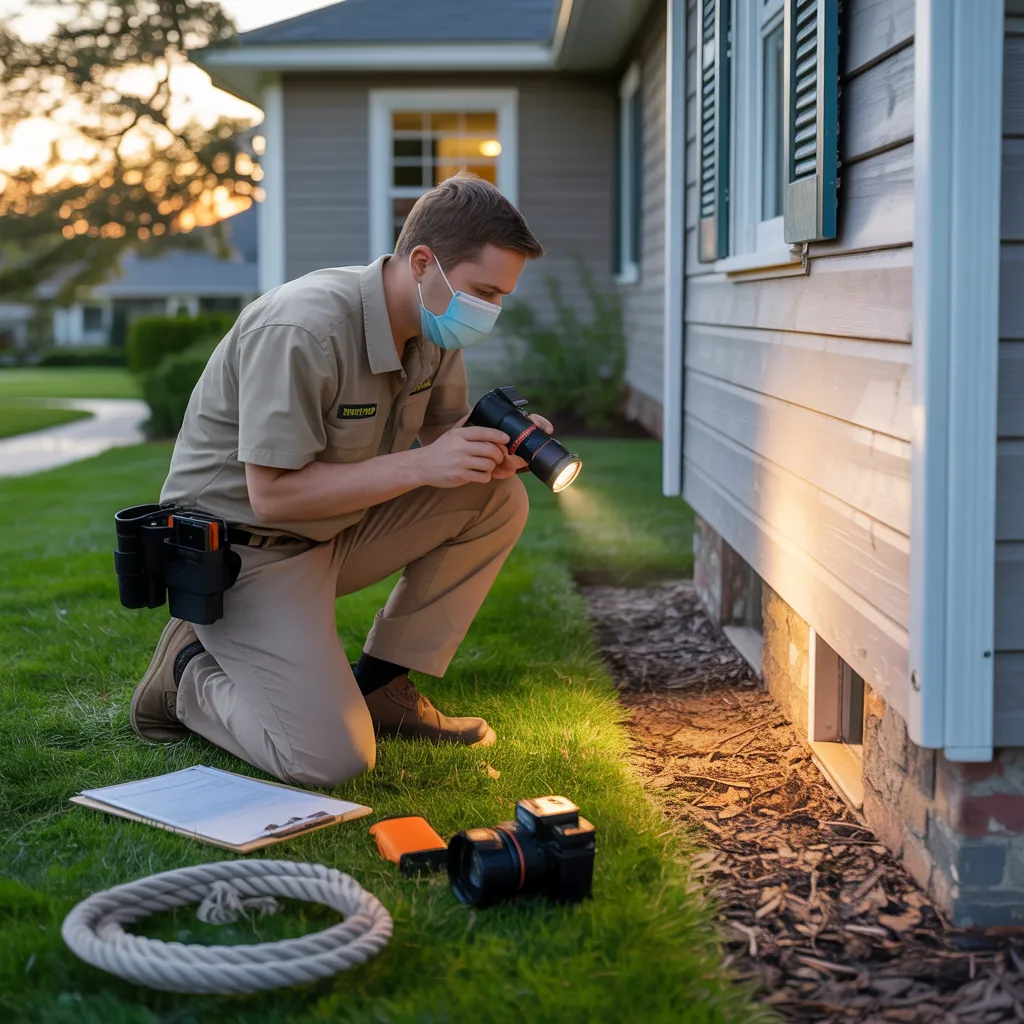
What Is Wildlife Control and Why Is It Important?
Wildlife control encompasses a range of strategies aimed at managing animal populations and their interactions with human environments. This approach is essential for balancing ecological systems and minimizing conflicts between wildlife and people. Effective wildlife control helps safeguard public health by reducing the dangers linked to zoonotic diseases, which can be transmitted from animals to humans.
Moreover, it safeguards the interests of farmers by addressing species that may threaten agricultural resources. By implementing humane methods, wildlife regulation encourages coexistence, making sure that the needs of people and the well-being of animals are both considered.
Moreover, it acts to protect biodiversity by addressing invasive species that can disrupt surrounding ecosystems. Ultimately, fauna management is critical not only for boosting safety and decreasing property damage but also for promoting a balanced connection between humanity and the environment.
How Frequent Wildlife Intruders Harm Your Home
Common wildlife intruders present serious threats to residential properties, causing structural deterioration that can weaken a building's foundation. Such creatures are capable of tainting insulation, producing harmful conditions for those living inside. Additionally, the presence of these animals raises electrical hazard concerns, given their tendency to bite through cables, heightening the likelihood of dangerous fires.
Structural Harm Hazards
The existence of wildlife invaders can lead to serious structural harm in residential properties. Animals such as raccoons, squirrels, and rodents commonly target gaps in the outer structure of buildings, establishing openings that undermine the integrity of the structure. Raccoons, for copyrightple, are capable of ripping away roof materials and harm insulation, while squirrels often chew through electrical cables and timber beams, heightening the potential for fire hazards. Furthermore, tunneling animals can destabilize foundations by creating tunnels, exacerbating the potential for collapse. With the passage of time, these breaches can allow moisture to enter, causing mold proliferation and timber deterioration. Property owners must stay alert to evidence of wildlife infiltration to avoid expensive repairs and ensure the safety and longevity of their properties. Swift action is necessary to address these threats.
Insulation Contamination Issues
Insulation functions as a critical shield against temperature changes, but it can readily be damaged by intruding animals. Wildlife such as rodents and raccoons can rip apart insulation materials, establishing routes that permit additional intrusion into home frameworks. Their habitation tendencies commonly cause the insulation to be soiled with droppings, waste, and other materials, causing significant contamination. This not only compromises the insulation's efficiency but also presents health concerns from potential contact with harmful microorganisms. Additionally, decaying animal carcasses can emit unpleasant odors and attract further pests. Property owners should tackle insulation contamination quickly to preserve both energy performance and indoor air quality, highlighting the necessity of proper wildlife management and remediation strategies.
Electrical Hazard Concerns
In what ways do wildlife intruders create electrical hazards in homes? Everyday wildlife intruders, like rodents and birds, are capable of causing serious harm to electrical systems. Rodents especially are notorious for chewing through wires, leading to exposed conductors and the risk of short circuits. This presents not only a danger of fire but also raises the likelihood of electrical shock for those living in the home. Additionally, nesting materials from birds can obstruct ventilation systems or accumulate near electrical panels, thereby heightening fire hazards. Moreover, wildlife may introduce moisture through burrows or droppings, creating an environment conducive to corrosion and electrical failure. Addressing these risks through effective wildlife control and regular inspections is essential to maintaining a safe living environment.
How to Spot Signs of Wildlife Around You
Detecting signs of animal presence is critical for successful management approaches. Frequent evidence includes prints, characteristic sounds, and peculiar scents that can indicate the presence of unwanted wildlife. Detecting these signals in a timely manner can aid in reducing possible property damage.
Popular Wildlife Track Identification
A large number of outdoor enthusiasts discover that identifying common animal tracks is crucial for gaining insight into local ecosystems. Tracks vary by species, featuring unique shapes and dimensions. To illustrate this point, the tracks of deer appear heart-shaped, while raccoon prints exhibit a hand-like appearance with elongated fingers. Tracks from canines like coyotes tend to show an oval form with clearly defined claw marks. copyrightining the distance between prints can offer valuable hints about the creature's size and pace. Furthermore, noting claw impressions can assist in distinguishing between different species; as an copyrightple, bobcat prints are characterized by an absence of visible claw marks, in contrast to those of a dog. Understanding these details aids in wildlife observation and conservation efforts, enriching the appreciation of nature.

Sounds and Odors
Recognizing wildlife presence often involves more than visual cues like trail markings; noises and smells play significant roles as well. Audio signs such as movement in the shrubbery, scraping within walls, or nighttime chattering can indicate animals searching for food or refuge. Different species emit unique noises, helping to narrow down the probable species responsible. Smells also offer important indicators. A damp odor may point to a obscured animal dwelling, while a unpleasant smell could indicate a perished animal close by. Detecting these sensory clues empowers homeowners to take prompt action. By keeping watchful to both auditory and olfactory signs, residents can properly determine wildlife existence and implement proper containment actions before the problem worsens.
Animal Control: Proven Methods for Stopping Wildlife Intrusions
Preventing animal intrusions demands a well-planned strategy that integrates an understanding of animal habits with proven deterrent methods. Homeowners are advised to initially assess vulnerable entry areas, such as cracks in walls, upper-level spaces, or lower-level areas, and seal them to eliminate access. Routine care of the home and grounds, including tidying up refuse and safely containing rubbish, can prevent creatures from targeting the property as a food supply.
Additionally, utilizing natural deterrents like motion-activated lighting or sound systems can prevent unwanted visitors. Landscaping choices also play a role; planting native species and keeping a clean yard can minimize appeal for different species. Educating residents about local wildlife habits improves awareness and encourages proactive steps.
The Significance of Professional Wildlife Control Services
When wildlife invasions surpass the ability of homeowners to handle, expert wildlife control services emerge as a critical resource. These dedicated services provide knowledge in detecting and resolving numerous wildlife concerns, ensuring both security and adherence to local guidelines. Skilled specialists employ humane capture methods and exclusion strategies to limit the disruption to local ecosystems while efficiently managing disputes with wildlife.
Additionally, these professionals often provide in-depth assessments of residences to uncover potential risk areas that may attract future infestations. By using advanced tools and approaches, they can address the root sources of wildlife issues, rather than merely addressing surface issues. This strategic approach not only shields homes but also promotes coexistence with local wildlife. In the end, enlisting professional wildlife control services ensures that homeowners can navigate complex wildlife situations in a safe and effective manner, minimizing risks to property and personal well-being.
Reasons Why Dead Animal Removal Is Important
The existence of deceased animals on a property can create substantial health dangers and draw in undesirable pests. Decomposing carcasses release harmful bacteria and pathogens, which can taint soil and water resources, endangering the health of humans and animals. Furthermore, the stench arising from a rotting body can disturb the living conditions of neighboring residents and generate an uncomfortable atmosphere.
Moreover, dead animals can act as a attractant for opportunistic feeders, including vermin and insects, causing further infestations. This can turn into more serious complications, necessitating more intensive pest control measures. The timely removal of dead animals is vital to minimize these hazards and bring safety back to the surrounding area.
Specialized dead animal removal providers have the capability to address these scenarios promptly, providing adequate removal and comprehensive sanitation. By resolving the matter quickly, property owners can protect their health, protect the integrity of surrounding ecosystems, and maintain the integrity of their surroundings.
What to Look for in a Wildlife Control Service?
Reliable wildlife control services are crucial for sustaining a safe and healthy environment, most notably when dealing with situations such as dead animal removal. There are several important factors to evaluate when choosing a wildlife control service. As a first step, ensure the company is fully licensed and insured, since this validates their credibility and safeguards against discover here liability. A strong background in the field is indispensable; a business with a demonstrated history of success is better equipped to address diverse wildlife concerns.
Furthermore, find out about their methods for wildlife removal and prevention, ensuring they utilize humane and sustainable procedures. Client reviews and testimonials can provide insight into the service's reliability and effectiveness.
In addition, a reliable company should offer a detailed evaluation and follow-through to avoid subsequent wildlife intrusions. By considering these criteria, homeowners can select a wildlife management provider that focuses on ethical practices, safety, and efficiency.
Popular Questions We Receive
What Are the Laws and Regulations Governing Wildlife Control in My Area?
Laws and regulations for controlling wildlife change depending on the area, typically mandating permits for animal trapping and relocation. Local wildlife management agencies supply detailed guidelines, promoting humane care and conformity with wildlife conservation laws to preserve wildlife and natural ecosystems.
How Can I Safely Deal With a Dead Animal on My Property?
In order to safely handle a dead animal, it is recommended to wear gloves, utilize a shovel to remove the body, place the body in a double bag, and discard it in compliance with local regulations, guaranteeing proper sanitation and reducing potential health risks.
What Are the Expenses Involved in Wildlife Control Services?
Wildlife control service costs can vary significantly, generally falling between $100 and $1,500. Factors influencing pricing include the species of wildlife involved, severity of the infestation, and the removal techniques or prevention strategies required.
Will Wildlife Control Stop Future Infestations for Good?
Professional wildlife management significantly lowers the likelihood of subsequent pest issues through proactive strategies, but there is no guarantee of complete prevention. Ongoing monitoring and maintenance are essential to reduce potential threats and resolve any concerns as they arise.
What Kinds of Animals Necessitate Specialized Removal Techniques?
Some animals, such as raccoons, bats, and snakes, necessitate specialized handling methods because of their distinct behaviors and possible health hazards. Qualified professionals must use particular approaches to guarantee safe and humane handling throughout the removal procedure.